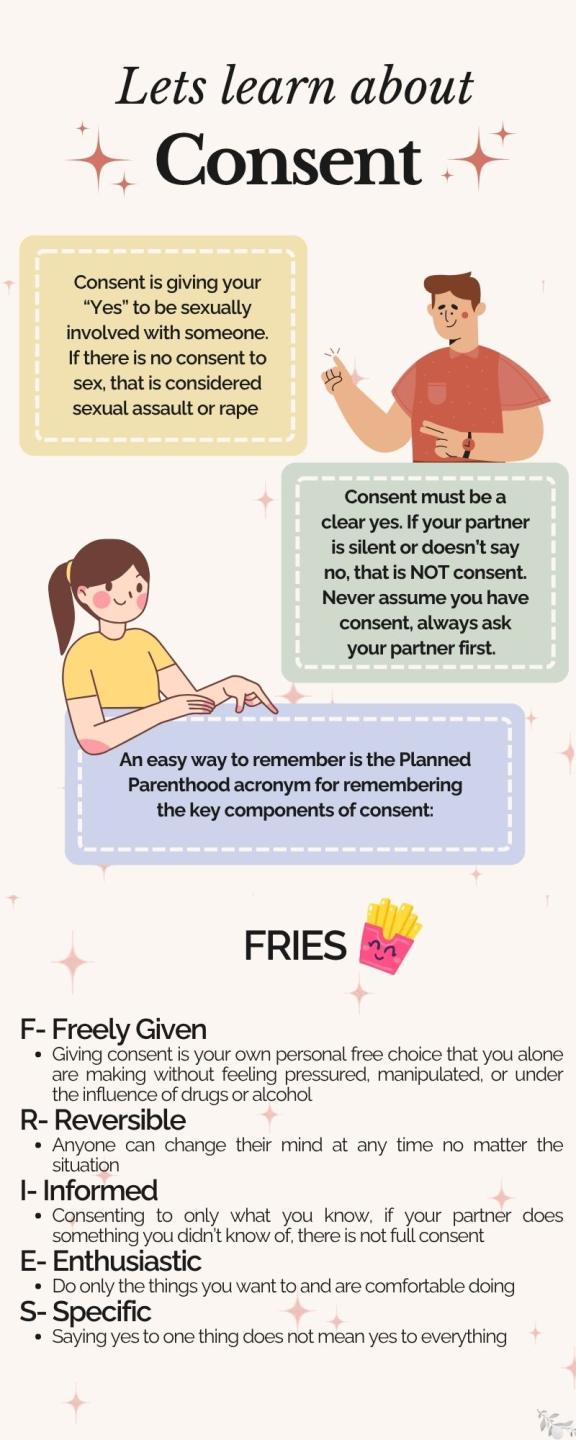
Consent is giving your "YES" to be sexually involved with someone. Consent does not rollover, it is ongoing and can be taken away at any time no matter the circumstance.
Silence does not mean yes. If you consented to things in the past but you don't want to do them now your wish must be respected.
If at any point you or your partner say "NO" or "STOP" to anything at any time, that must be respected.
People who are under the influence of drugs or alcohol cannot give consent.
The infographic below provides you with the acronym F.R.I.E.S. which can help you remember the important factors of consent
If you would like to learn more about consent, please click here to visit the Planned Parenthood website.
Safe sex
Safe sex refers to the practices used during sexual activity to prevent the exchange of body fluids like semen, vaginal fluids, or blood.
The term "safe sex" can mean different things to many people, but the main point of safe sex is to minimize the risk of harm, infection, and unwanted experiences.
Safe sex practices should provide the same protections to those who you engage in sexual activity with, and they apply to everyone.
The only way to be 100% protected from any kind of STI or pregnancy is to practice abstinence. (Not having sex)
Some of the benefits of safe sex include
Unplanned pregnancy prevention
Reduced risk of developing a sexually transmitted infection (STI)
Improved mental stability, self-esteem, and self-expression
Reduced anxiety or worry about infections or harm your body
The practices of safe sex should not only protect your body but your mind as well. Your mental and emotional health matter during sex.
To be considered safe sex it must:
Be consensual
Respect personal boundaries
Respect the limitations of everyone involved
Use safe words
NEVER cause ANY physical harm or psychological trauma
Here is an example of what safe sex practices can look like:
The stigma and taboo surrounding anything that has to do with sex is something that is very hard to get over but, in order to protect yourself and your partner you have to be able to get past that stigma.
Having conversations and asking questions even small ones are a huge step in breaking free from the stigma.
Protecting yourself and your partner should be priority not taboo.
Having open conversations with your partner about what you're comfortable with and what your expectations are can help avoid any miscommunications.
Below are some examples of the topics that can be talked about:
What method of protection will be used (birth control pills, condoms, etc.)
What you are comfortable with
what you are NOT comfortable with
Asking each other about STIs (if they've ever had one or when was the last time they were tested for one)
Sexually Transmitted Infections (STIs)
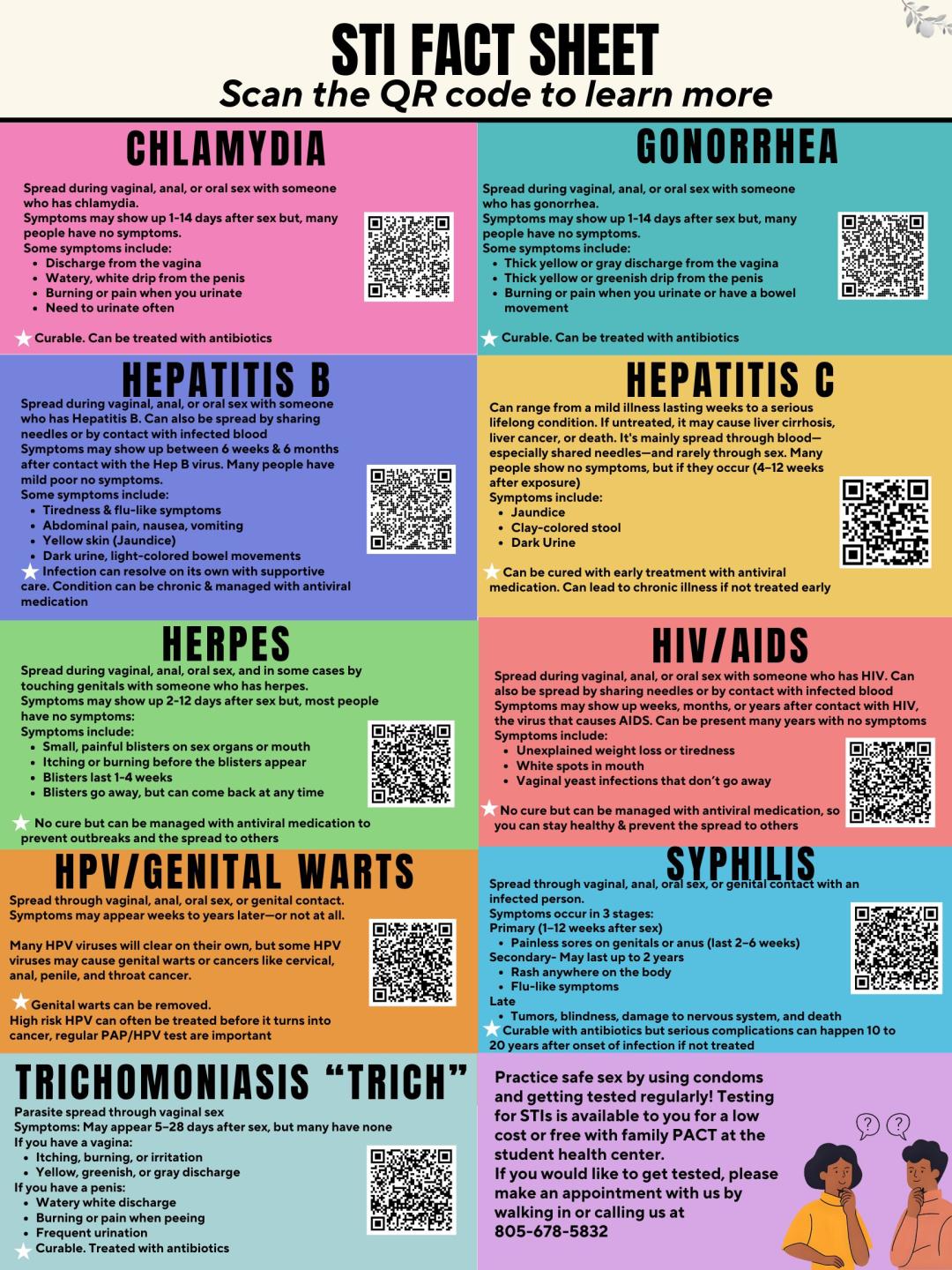
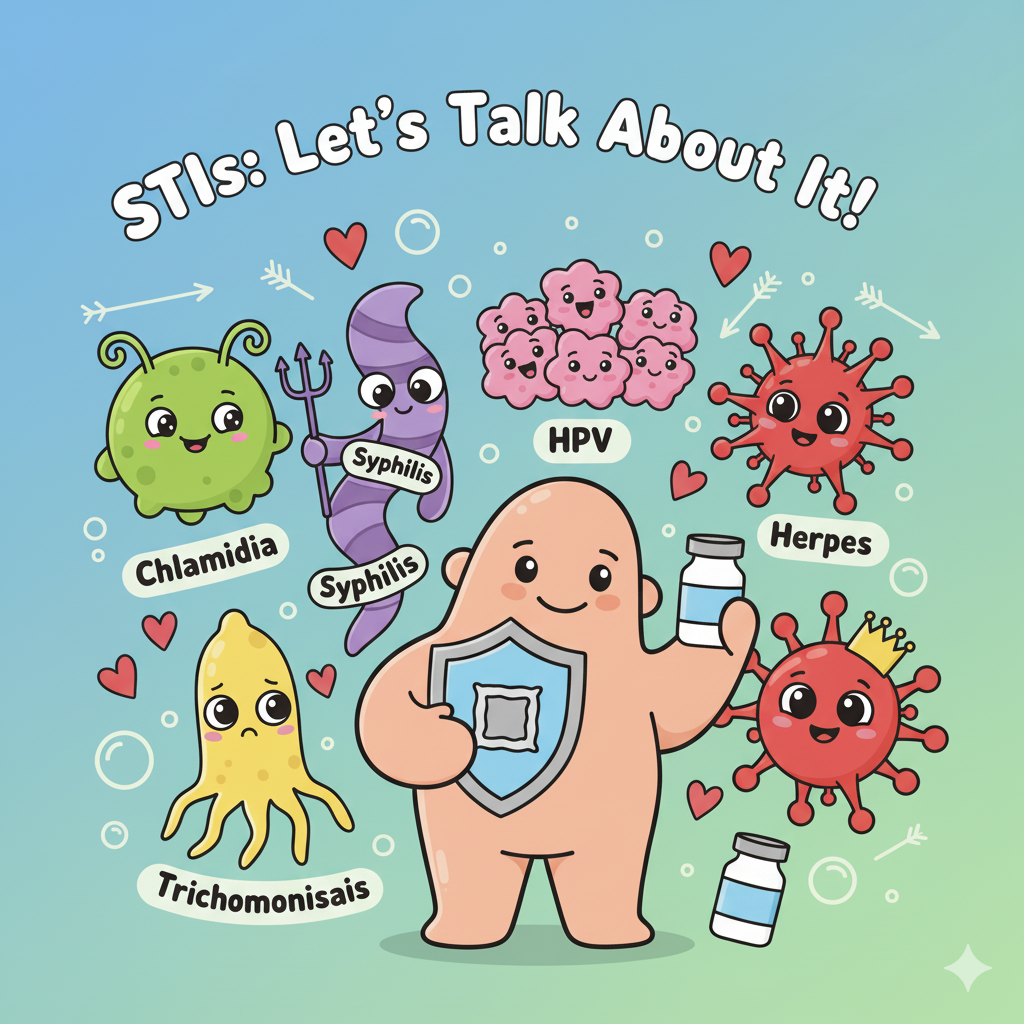
Sexually transmitted infections or STIs are infections that are spread through sexual contact or blood. They can be caused by bacteria, viruses, or parasites.
Below is some information about STIs.
Scan the QR codes to learn more about the different STIs
The Health Center offers low cost STI testing for current enrolled students. If you are interested in getting tested or you have questions, please make an appointment with us! You can do so by walking into our office, giving us a call at 805-678-5832, or by sending us an email to ochealthcntr02@vcccd.edu
The student health center offers a wide variety of STI services. Some of the things that the health center tests for is:
Chlamydia
Gonorrhea
Syphilis
Herpes
Trichomonas
HIV
HPV
Hepatitis B
Hepatitis C
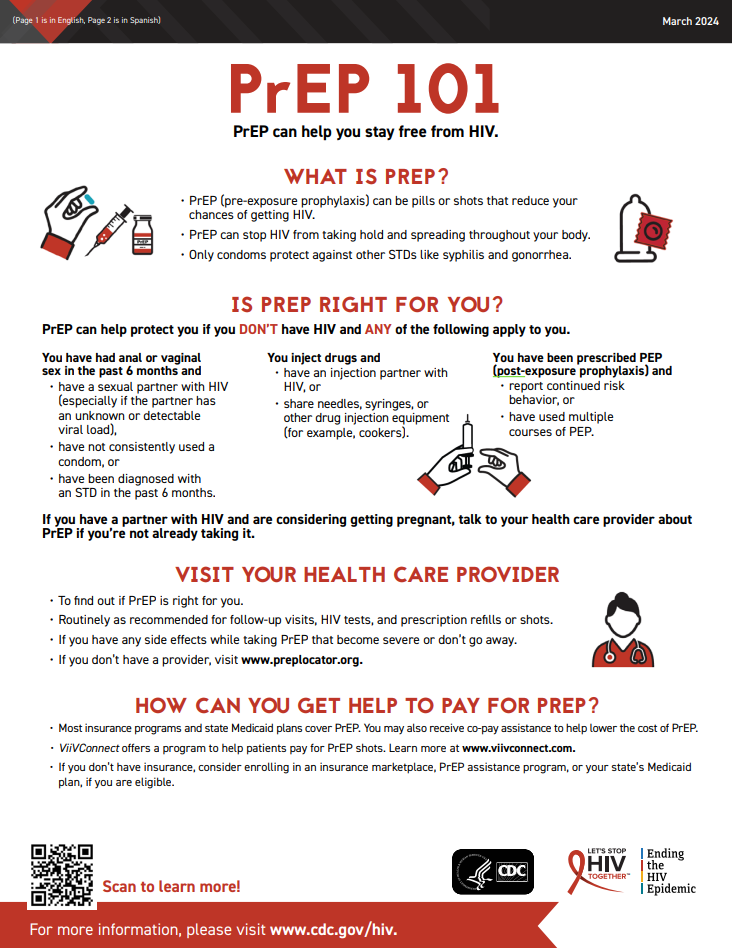
Stands for "Pre-exposure prophylaxis". It is a type of medication that can prevent you from getting HIV. PrEP can help lower your chances of getting HIV by 99%.
You can use PrEP if you are sexually active and DO NOT have HIV.
You may be eligible for PrEP if you have had anal or vaginal sex in the last 6 months and:
Your partner has HIV
You do not use condoms every time you have sex
You have had another STI within the last 6 months
Have shared needles and/or syringes to inject drugs within the last 6 months
Below is an explanation from the CDC on what PrEP is and steps you can take to get PrEP
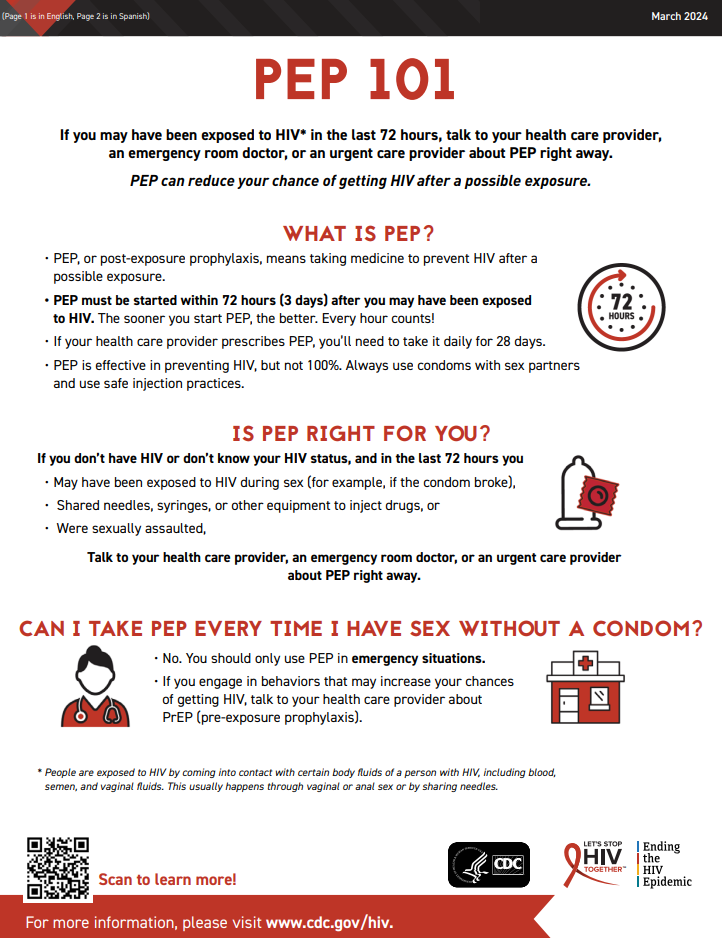
Stands for "Prophylaxis". It is a medication that can help lower your chances of getting HIV after exposure.
PEP can be started within 72 hours or 3 days after exposure. For PEP to be the most effective it should be started as soon as possible.
PEP is a series of pills that are taken 1 to 2 times a day for 28 days.
PEP is meant to be used for emergencies it shouldn't replace long term prevention methods like PrEP and condom use.
You may be a candidate for PEP if you:
Had sex with someone who may have HIV and didn't use a condom
You were sexually assaulted
Have shared needles and other equipment with someone who may have HIV
PEP is available at emergency rooms or clinics such as planned parenthood and the HIV clinic of Ventura County. Calling clinics ahead of time to check if PEP is available before going is crucial.
To learn more about where to find PEP at Planned Parenthood click here.
Below is an explanation from the CDC about what PEP is and what it is used for
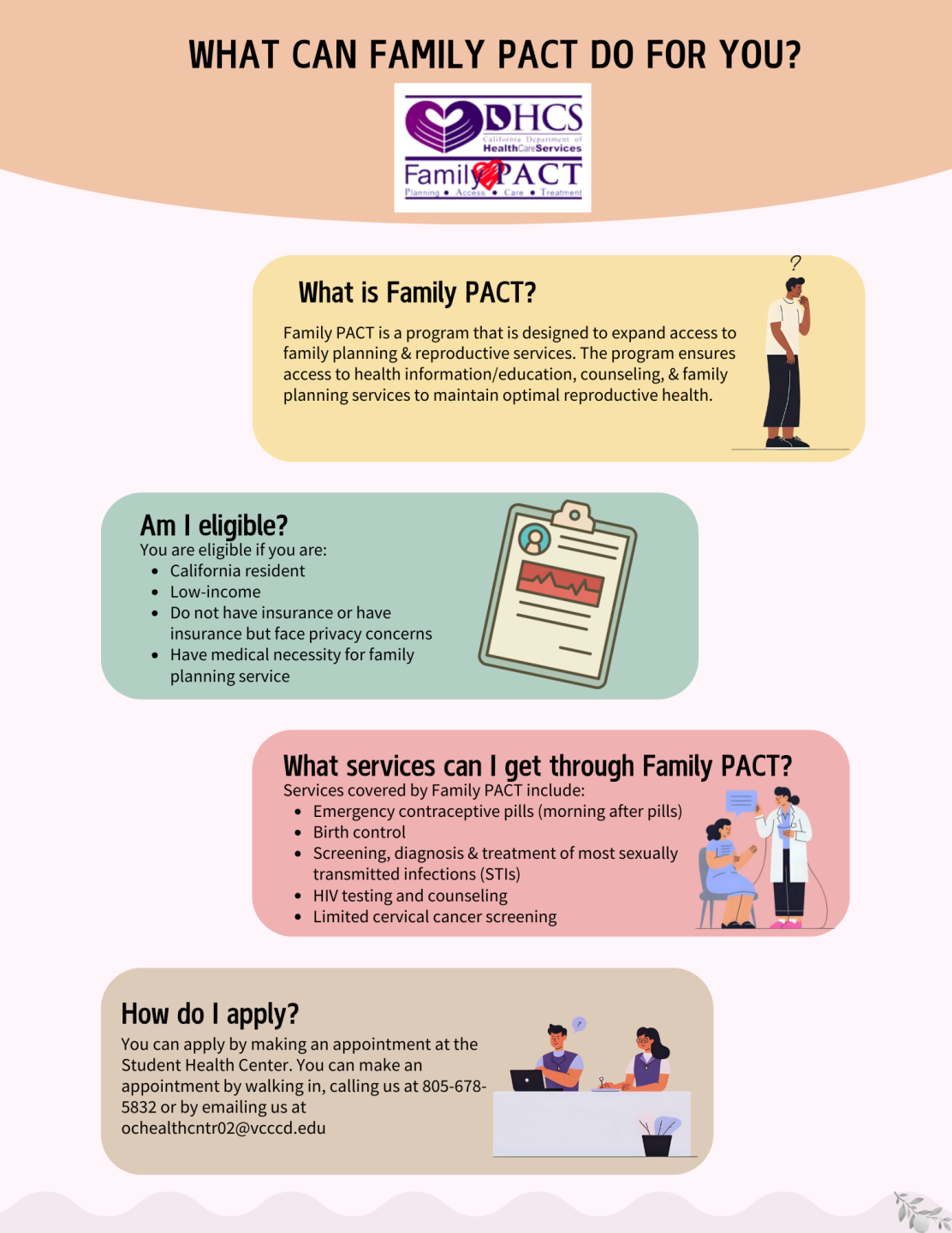
Family Pact: Free STI Testing & Birth Control
Family PACT is a program funded by the California department of health care services (DHCS). The program is designed to expand your access to family planning and reproductive services. If you qualify for the program STI testing, birth control, and other reproductive care services are available to you free of charge.
You can see if you qualify for Family PACT here at the health center or through the Family PACT website.
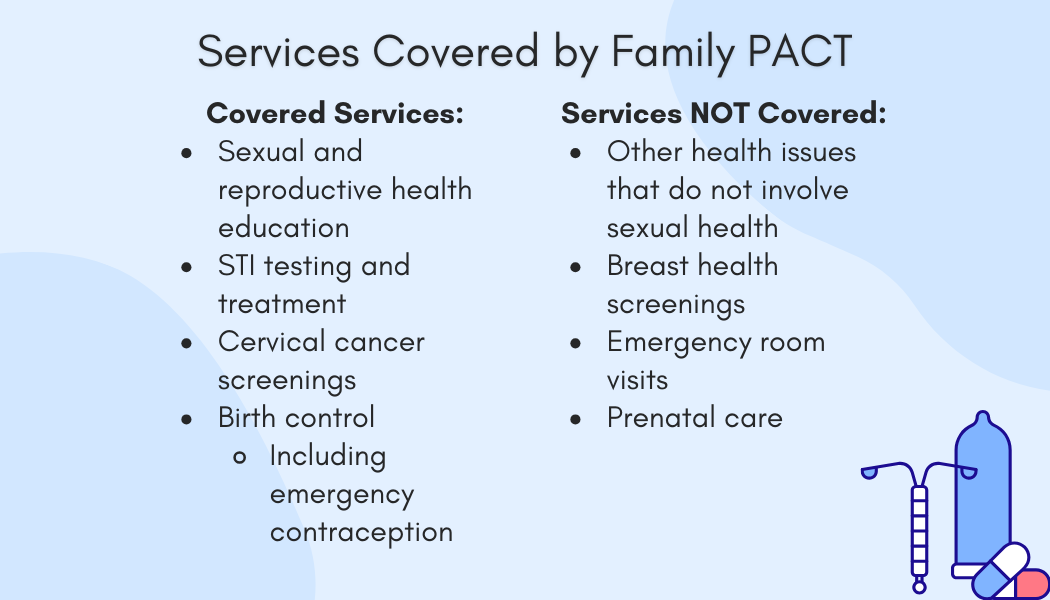
To learn more about what coverage is available through Family PACT, please click here.
Birth Control
"Birth control is any medicine, device, or method people use to prevent pregnancy. Types of birth control can include pills, intrauterine devices (IUD), vasectomy and condoms. Some forms of birth control work better than others." (Cleveland Clinic, 2022).
There are many different types of birth control methods available.
It is important to do research on the different types of birth control that are available to see which one will work best for you.
Anyone of any gender can get some method of birth control.
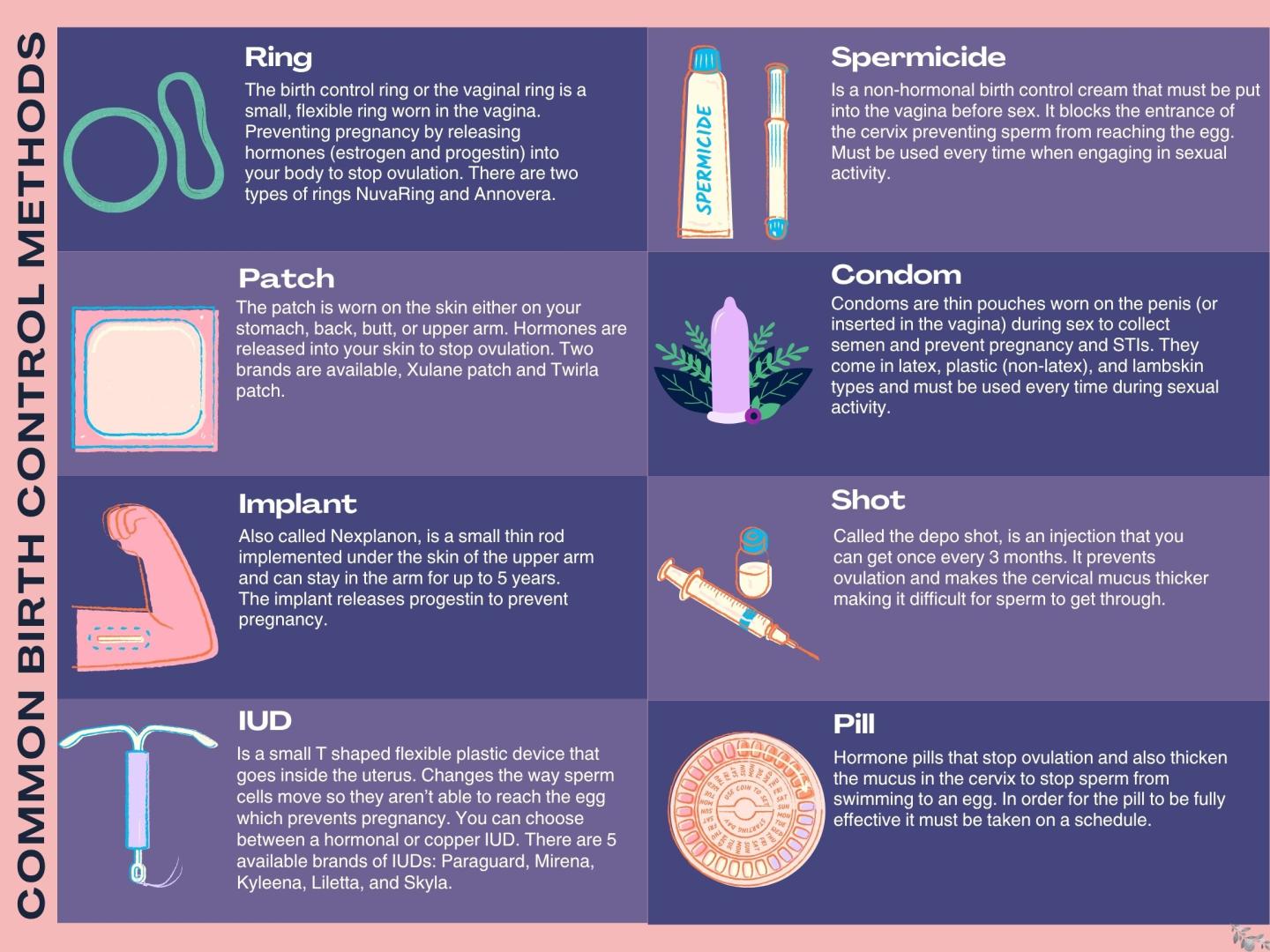
There are many different types of birth control methods available. Below is a brief description of some of the more common methods. If you would like a more in-depth explanation or would like to learn about the other available methods, please click here.
Yes! If you are an enrolled student, you can make an appointment at the health center with one of our providers to see what method is best for you. If you qualify for Family PACT, you may be able to get on birth control for free.
Emergency Contraception
Emergency contraception is a form of birth control that is used to prevent pregnancy. It is safe and effective as long as it is taken as soon as possible after unprotected sex.
It is important to know that emergency contraception only prevents pregnancy, it DOES NOT terminate pregnancy.
Emergency contraceptives have a specific time frame where they must be taken.
For Plan B pills the time frame is 3 days or 72 hours.
For Ella the time frame is 5 days or 120 hours.
There are two types of emergency contraception
Morning-after pills
Certain IUDs
Morning after pills are available at the student health center. Available at a low cost for current students, or free if you qualify for Family PACT.
IUDs are currently not available at the health center but are available at these locations below.